

Did you know that by 2027, at least 50% of online businesses are predicted to offer cryptocurrency payment gateway options?
Why should you have a cryptocurrency payment gateway? To compete and survive, online businesses must adapt to the latest payment methods, allowing customers worldwide to easily purchase products or use services. One of the best approaches is using cryptocurrency payment gateways. But the question remains: why should a business, website, or service provider utilize these gateways? In this article from CoinPay, we’ll explore the reasons for the importance of a cryptocurrency payment gateway, its benefits, and how these gateways work.
What are Cryptocurrencies and Why Do They Matter?
Before diving into crypto payment gateways, we need a clear understanding of cryptocurrencies. Cryptocurrencies are digital assets that use cryptography to secure transactions and control the creation of new units. Bitcoin, Ethereum, Litecoin, and Ripple are among the most well-known digital currencies.
According to a report by the research firm Chainalysis, the global use of cryptocurrencies surged by over 80% in 2023. This significant growth indicates that cryptocurrencies are no longer just an alternative option but have become an integral part of the global economy.
What is a Cryptocurrency Payment Gateway?
A cryptocurrency payment gateway is a platform or service that enables businesses and websites to accept payments in digital currencies. These gateways act as a bridge between the customer and the business, simplifying and securing the cryptocurrency payment process.
Statistics from CoinPayments, a major provider of crypto payment gateways, show that the number of businesses using these services reached over 70,000 in 2024, a 45% increase from the previous year.
Key Reasons Your Business Needs a Cryptocurrency Payment Gateway
Adopting modern payment methods is no longer a choice but a strategic imperative for online businesses. Cryptocurrency payment gateways, leveraging blockchain technology and advanced cryptography, offer unique advantages that traditional systems can’t match. These benefits not only reduce operational costs but also open new avenues for business growth and development. Here are the most compelling reasons why every modern business should seriously consider using a cryptocurrency payment gateway.
1. Unlimited Access to the Global Market
One of the most significant advantages of using crypto payment gateways is access to the global market. When your business accepts cryptocurrency payments, you’re no longer confined by geographical borders or national banking systems.
A study published in the Harvard Business Review found that businesses that added cryptocurrency payment gateways to their options saw an average increase of 28% in international customers. This growth occurs because customers from different countries can easily make purchases without worrying about currency conversion fees or banking limitations.
2. Reduced Transaction Fees
Traditional payment systems like credit cards often come with high fees, typically ranging from 2% to 5% per transaction. In contrast, cryptocurrency transaction fees are significantly lower. Research by BitPay Institute indicates that the average transaction fee for crypto payment gateways is around 1%, offering substantial savings for businesses compared to traditional systems. For high-volume businesses, this can translate to thousands of dollars in annual savings.
3. Transaction Speed
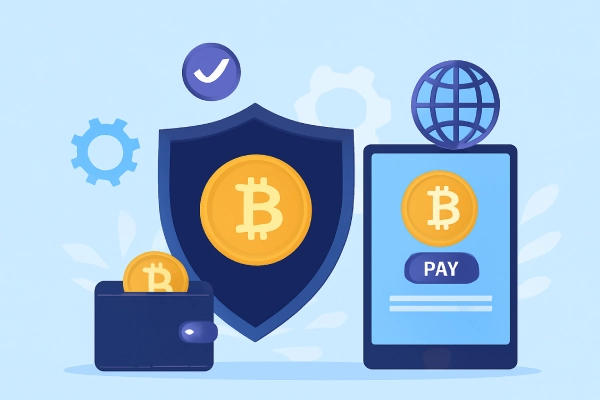
Another key benefit of crypto payment gateways is their speed. Traditional banking systems can take days for international money transfers, but cryptocurrency transactions are typically completed in minutes or even seconds.
According to data from Blockchain.com, the average Bitcoin transaction confirmation time is about 10 minutes. However, networks like Ripple or Solana can process transactions in under a few seconds. This rapid speed is particularly valuable for businesses that require fast cash flow.
4. Enhanced Security and Fraud Reduction
Security is a primary concern in online payment systems. Crypto payment gateways, utilizing blockchain technology, offer a higher level of security than traditional methods.
The annual Norton Cyber Security report states that credit card fraud in online payments hovers around 1.8%, whereas for cryptocurrency transactions, this figure is less than 0.5%. This is due to the decentralized and encrypted nature of the blockchain, which makes transaction manipulation nearly impossible.
5. Independence from the Traditional Banking System
Using crypto payment gateways allows businesses to gain a degree of independence from traditional banking systems. This independence can be highly valuable in specific situations.
A study by MIT found that businesses operating in countries with high inflation were more resilient to inflation and currency instability by using crypto payment gateways. Furthermore, this independence ensures that businesses can continue operating during crises or banking restrictions.
6. Attract New Customers and Be a Technology Leader
Offering cryptocurrency payment options can attract customers who are keen on using this technology. This demographic is often younger, tech-savvy, and highly educated.
A Deloitte survey revealed that approximately 40% of consumers under 35 prefer to shop from stores that accept crypto payments. Moreover, 65% of respondents view the availability of crypto payment options as a sign of a forward-thinking and innovative business.
7. Protection Against Chargebacks
A significant challenge for online sellers is the issue of chargebacks. In traditional payment systems, customers can request a refund after receiving goods or services, often to the seller’s detriment. Cryptocurrency transactions are irreversible, protecting businesses from chargeback fraud.
According to data from the US E-commerce Association, chargeback-related costs for online businesses exceed $25 billion annually. Implementing crypto payment gateways can significantly reduce this expense.
How Cryptocurrency Payment Gateways Work
Understanding how crypto payment gateways function can help you make informed decisions about their use. The general process is as follows:
1. Integration with Website or Application
The first step is integrating the crypto payment gateway with your website or application. This is typically done via APIs or ready-made plugins. Shopify reports that integrating these gateways usually takes less than a business day.
2. Selecting Accepted Cryptocurrencies
Next, you decide which cryptocurrencies to accept. CoinMarketCap data shows Bitcoin and Ethereum are the most popular for payments, but many gateways support dozens of digital currencies.
3. Payment Process
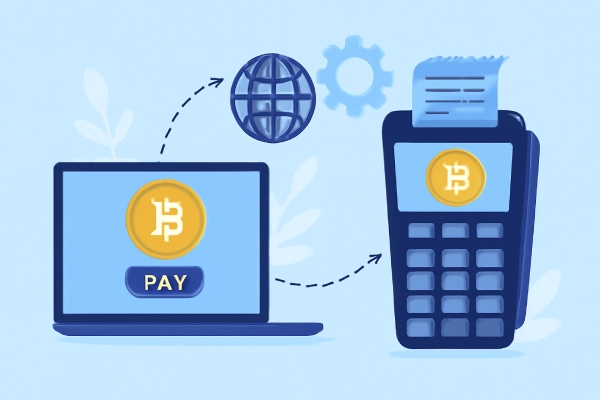
When a customer chooses to pay with crypto, the gateway generates a unique address and the exact amount required (based on real-time exchange rates). The customer then sends this amount from their digital wallet to the specified address.
4. Transaction Confirmation
After the customer sends the cryptocurrency, the transaction is recorded on the relevant blockchain network. Depending on the cryptocurrency, this can take from seconds to minutes. Blockchain.info data shows average confirmation times for various networks:
- Bitcoin: 10 minutes
- Ethereum: 15 seconds
- Litecoin: 2.5 minutes
- Ripple: 4 seconds
5. Conversion to Fiat Currency (Optional)
Many crypto payment gateways offer automatic conversion of received cryptocurrencies into fiat currencies like USD, EUR, or IRR. This feature is highly beneficial for businesses that wish to avoid the risk of cryptocurrency price volatility.
A BitPay report indicates that about 65% of businesses using crypto gateways prefer to convert crypto to fiat, while the remaining 35% choose to hold their crypto assets.
Key Challenges of Using Crypto Payment Gateways
Despite the numerous advantages, using crypto payment gateways also presents challenges that are important to be aware of for better decision-making:
1. Price Volatility
One of the biggest challenges with cryptocurrencies is their price volatility. CoinGecko data shows Bitcoin’s price fluctuated by over 100% in the past year. This volatility can pose risks for businesses.
However, many payment gateways offer instant conversion to fiat currency, which largely mitigates this issue.
2. Legal and Tax Issues
Regulations surrounding cryptocurrencies vary significantly by country and are still evolving. According to a PwC report, only 40% of countries have a clear legal framework for digital assets.
Businesses intending to use crypto payment gateways must be aware of their country’s laws and relevant tax obligations.
3. Customer Education
Another challenge is educating customers on how to use cryptocurrencies. A Statista survey indicates that only about 23% of the global population is familiar with using digital currencies.
Businesses should be prepared to provide necessary information to their customers on how to make payments with cryptocurrencies.
Special Service: WordPress Cryptocurrency Payment Gateway
In a Nutshell (30-Second Summary)
Given the numerous benefits of crypto payment gateways—from reduced transaction costs and enhanced security to global market access—adopting them appears to be a smart choice for many businesses. Gartner predicts that by 2027, over 50% of online businesses worldwide will offer cryptocurrency payment options, signaling a major shift in payment systems.
However, it’s crucial for businesses to conduct thorough research, consider potential challenges, and understand relevant regulations before implementing crypto payment gateways. In today’s competitive landscape, success hinges on adopting new technologies and adapting to market changes. Cryptocurrency payment gateways are one such innovation that can provide a significant competitive edge.
Explore CoinPay’s secure cryptocurrency payment gateway to accept Bitcoin, Ethereum, and more — ideal for global e-commerce, SaaS platforms, and digital marketplaces. Learn more at https://coinpay.finance.